

Raynaud’s syndrome: what helps with cold fingers and toes?
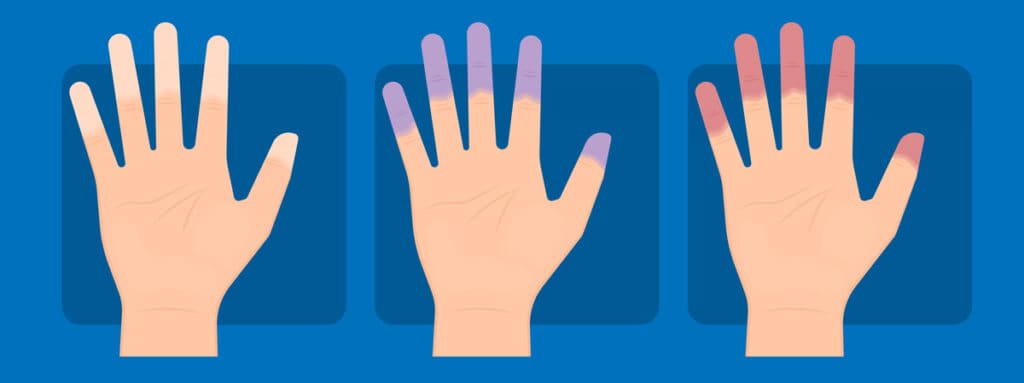
With Raynaud’s syndrome, sometimes also referred to as Raynaud’s disease, the fingers and toes react particularly strongly to cold, changes in temperature or stress. Your fingers or toes may temporarily turn white, blue, red or purple and may feel cold, numb, painful or tingly.
Raynaud’s can be uncomfortable, but it is often not serious. However, it is important to take symptoms seriously, especially if you experience severe pain, develop sores, have persistent numbness or are unsure whether an underlying condition could be involved.
What helps with Raynaud’s? One of the most important things you can do is keep your hands, feet and whole body warm before they become very cold and avoid sudden temperature changes where possible. On this page, you can read what can trigger a Raynaud’s attack, practical ways to manage cold hands and feet, and warming solutions such as heated gloves and heated socks.
What helps with Raynaud’s? At a glance
- Keep your hands, feet and whole body warm.
- Avoid sudden changes in temperature where possible.
- Put your gloves on before your fingers become cold.
- Keep your feet dry and choose footwear that is not too tight.
- Move regularly, especially if you are sitting still for long periods.
- Seek medical advice if your symptoms are severe, unusual or getting worse.
Heated gloves, heated socks and heated insoles can help keep your hands and feet comfortably warm in cold conditions. They do not treat Raynaud’s itself.
Do these Raynaud’s symptoms sound familiar?
Raynaud’s can occur in many different situations. It may happen outdoors in cold weather, but some people also experience symptoms in mild temperatures, air conditioning, stressful situations or when touching cold objects.
What happens during a Raynaud’s attack?
During a Raynaud’s attack, the small blood vessels in the fingers or toes react strongly to cold, stress or emotions. They temporarily narrow, reducing blood flow to the extremities of the hands and feet.
As a result, the fingers or toes may become cold, numb or painful. Changes in colour are also common. They may first turn white, then blue, and later red or purple as blood flow returns.
Raynaud’s may occur on its own, but it can sometimes be associated with another medical condition. If you are unsure about your symptoms or notice that they are becoming more severe, it is advisable to speak to a healthcare professional.
What can trigger a Raynaud’s attack?
Cold is one of the most common triggers, but temperatures do not have to be extremely low. Air conditioning, a cold supermarket, a cold steering wheel, wet shoes or simply touching a chilled object may be enough to trigger symptoms.
Stress, tension, emotions and certain medicines may also make symptoms worse. Beta blockers are one well-known example. If you take medication and notice your symptoms becoming worse, discuss this with your doctor rather than changing your medication yourself.
What helps with Raynaud’s? Tips for cold hands and feet
One of the most useful strategies for Raynaud’s is to avoid becoming cold in the first place. This is not simply about wearing thick gloves or socks. It is especially important to keep warm before your hands or feet become very cold.
Keep your whole body warm
When your body becomes cold, your hands and feet may cool down more quickly. So do not focus only on your fingers and toes; keeping your core warm is important too.
Dress in layers and consider warm clothing, a fleece or cardigan, thermal base layers or heated clothing.
Avoid sudden changes in temperature
Try to limit major temperature changes. Put your gloves on before going outside and keep your feet warm before they become completely cold.
Heated gloves for Raynaud’s can also be useful indoors if your fingers become cold easily. Depending on how you plan to use them, you can choose thin indoor heated gloves, heated glove liners or more versatile heated gloves with grip.
Put your gloves on before your hands get cold
Do not wait until your fingers are already cold or white. With Raynaud’s, keeping your hands warm early can be more comfortable than trying to warm them up once they have become very cold.
Heated gloves for Raynaud’s can be useful indoors, while travelling, for light jobs around the house or as an additional layer underneath other gloves. Thin, flexible models are well suited to indoor use, while warmer and more insulated models are better suited to outdoor conditions.
Keep your feet warm and dry
Cold or damp footwear can cause your feet to cool down more quickly. Choose socks and shoes that are comfortable, not too tight and leave enough room around your feet.
For cold toes, thin heated socks, heated socks or heated insoles may provide extra comfort.
Keep moving
Movement can support circulation and helps your body generate warmth. It does not have to be strenuous: walking around, moving your hands or flexing your toes may already help.
Regular movement can be particularly useful if you spend long periods sitting still.
Seek medical advice for significant symptoms
If you regularly experience attacks, severe pain, sores, significant colour changes or prolonged numbness, it is advisable to seek medical advice.
Raynaud’s is often harmless, but in some cases it may be associated with another medical condition.
Which heated products are suitable for Raynaud’s?
Heated products do not treat Raynaud’s syndrome, but they can help keep your hands and feet comfortably warm in cold conditions. Targeted warmth can be especially useful because it is delivered directly to the areas where you often feel cold first.
The best option depends mainly on whether you suffer most from cold fingers, cold toes or cold feet, as well as where and how you intend to use the product.

When should you choose heated gloves for Raynaud’s?
Heated gloves for Raynaud’s may be comfortable if your fingers become cold quickly, even in relatively mild temperatures, during changes in temperature or while indoors. Depending on your needs, you can choose thin heated gloves for indoor use, heated glove liners or warmer all-round models for outdoor conditions.
- For cold fingers and hands
- Useful in cold, windy conditions and during temperature changes
- Thin models for indoor use
- Heated glove liners and versatile models with grip
When should you choose heated socks?
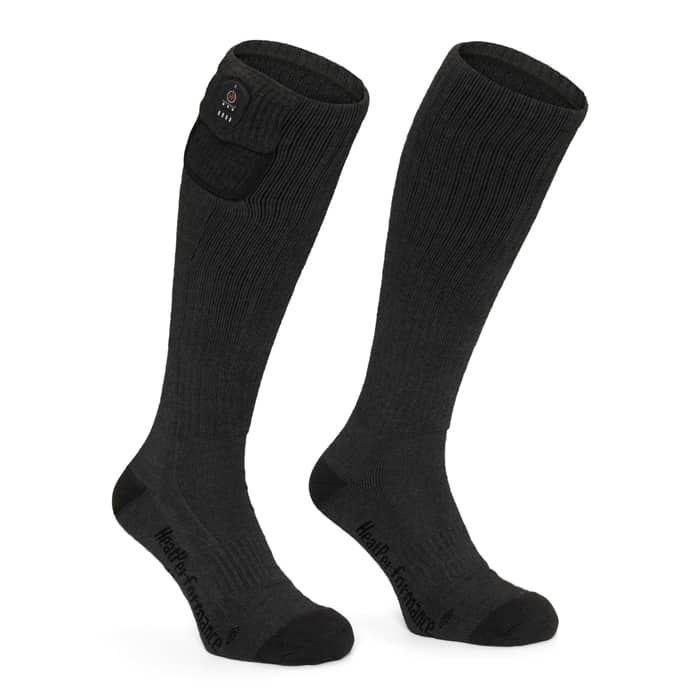
Heated socks are particularly useful if your toes get cold quickly. In many models, the heating area is positioned around the toes and forefoot, where cold is often felt first. Thin heated socks can be a practical option for everyday shoes, walking boots or footwear with limited extra space.
- For cold toes and the forefoot
- Thin models for everyday footwear
- Warmer models for boots or ski boots
- Suitable for walking, cycling and winter sports
When should you choose heated insoles?
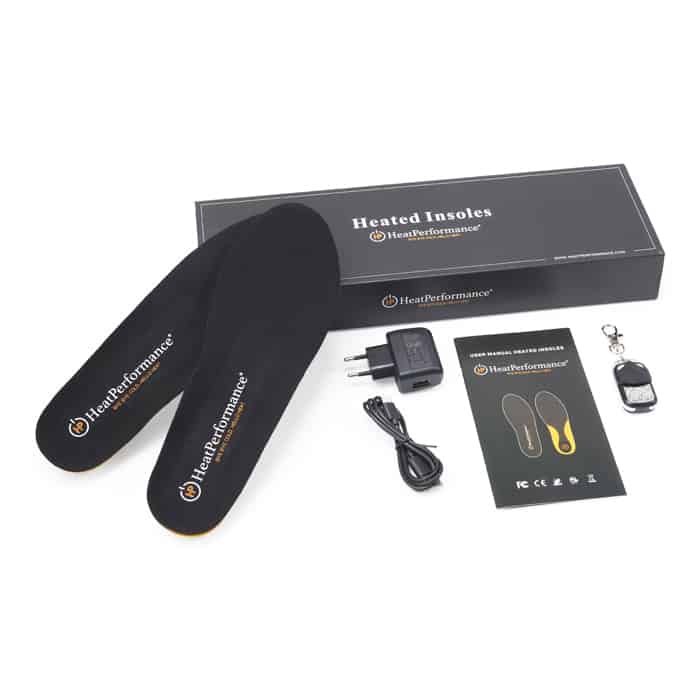
Heated insoles are a practical option if you prefer to continue wearing your own socks. They sit directly inside your shoes or boots and provide warmth mainly from underneath your feet.
- Targeted warmth from underneath the foot
- Keep wearing your own preferred socks
- Suitable for footwear with enough internal space
- Useful for outdoor activities and work

Not sure whether to choose heated gloves, socks or insoles?
The best choice depends on where you feel cold first, what type of footwear you use and how much freedom of movement you need.
Would you like to compare the different heated products side by side? Our comparison page makes it easier to see the main features and uses at a glance.
- Compare warmth, thickness and intended use
- Choose according to your activity and available footwear space
- Helpful if you are deciding between heated socks and heated insoles
When should you see a doctor about Raynaud’s?
Raynaud’s is often not serious, but it is advisable to have your symptoms medically assessed if you are concerned or if they are becoming worse.
Speak to your GP or another healthcare professional if you experience frequent attacks, severe pain, sores, significant colour changes, persistent numbness, or if one hand or foot feels noticeably different from the other.
If you take medication or have another medical condition, you can also ask your doctor whether this might be affecting your symptoms.
Frequently asked questions about Raynaud’s syndrome
What is Raynaud’s syndrome?
Raynaud’s syndrome causes the small blood vessels in the fingers or toes to temporarily narrow. This reduces blood flow to the extremities and can result in cold, numb, painful or discoloured fingers and toes.
What should you do during a Raynaud’s attack?
Move to a comfortably warm environment and avoid further exposure to cold. Gently moving your fingers or toes may also be helpful. Avoid exposing very cold hands or feet to extreme heat. If your symptoms are severe, prolonged or unusual, seek medical advice.
What triggers Raynaud’s?
Common triggers include cold temperatures, sudden changes in temperature, stress and strong emotions. Certain medicines, cold surfaces and air conditioning can also trigger or worsen symptoms in some people.
Can heated gloves help with Raynaud’s?
Heated gloves do not treat Raynaud’s, but they can help keep your hands comfortably warm in cold conditions. Targeted warmth can be particularly useful for people whose fingers become cold quickly.
What are the best gloves for Raynaud’s?
That depends on how and where you want to use them. Thin heated gloves may be suitable indoors, while warmer insulated models provide greater protection outdoors. Heated glove liners can also be worn underneath winter, ski or work gloves.
Can heated socks help with Raynaud’s?
Heated socks may be comfortable if your toes become cold quickly. In many models, heat is concentrated around the toes and forefoot. If you experience significant medical symptoms, seek advice from a healthcare professional as well.
Which is better for cold toes: heated socks or heated insoles?
That depends on your footwear and preferences. Heated socks typically warm the toes and forefoot directly, while heated insoles mainly provide warmth from underneath the foot. Heated insoles can be particularly convenient if you prefer to wear your own socks.
Should I see a doctor about Raynaud’s?
If you regularly have attacks, pain, persistent numbness, sores or significant changes in colour, or if you are unsure about your symptoms, speak to a healthcare professional. They can assess whether your symptoms are consistent with Raynaud’s and whether further investigation is needed.
Conclusion: keep your hands and feet warm before they become cold
With Raynaud’s syndrome, the fingers and toes are particularly sensitive to cold, stress and temperature changes. It is therefore better to protect them before they become extremely cold rather than trying to warm them up afterwards.
Warm clothing, dressing in layers, staying active, keeping your feet dry and avoiding sudden exposure to cold can all help make cold conditions more comfortable.
Heated gloves for Raynaud’s, heated gloves, heated socks, thin heated socks and heated insoles are not a medical treatment for Raynaud’s. However, they can be a practical way to help keep your hands and feet comfortably warm in cold conditions.