

Cold Feet: Causes, Tips and Ways to Keep Your Feet Warm
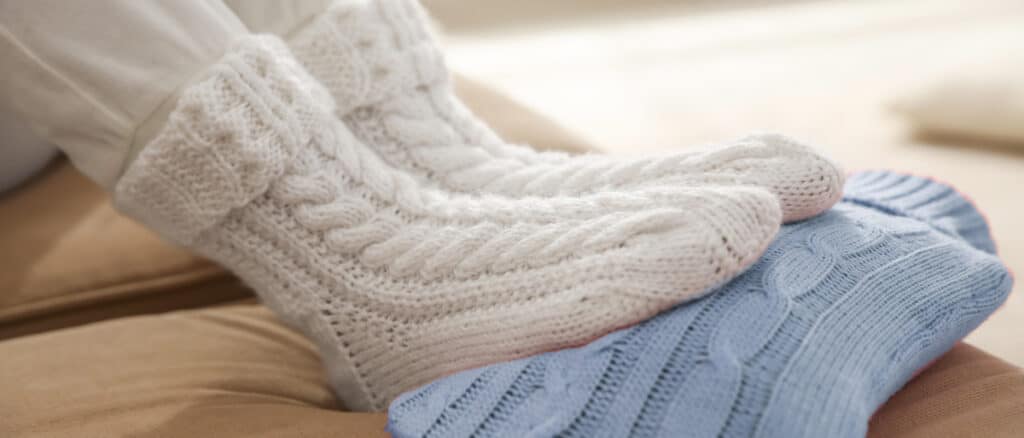
Do you often have cold feet, even when it is not really winter outside? You are definitely not the only one. Some people already get cold feet while working from home, sitting on the sofa, lying in bed, going for a walk or cycling. For someone else, the same temperature may still feel perfectly fine, while you are already sitting there with ice-cold toes.
Cold feet are usually harmless, but they can be very uncomfortable. You feel less comfortable, find it harder to relax and sometimes the cold seems to spread to the rest of your body. Cold feet in bed can also make it harder to fall asleep.
On this page, you can read how cold feet occur, why some people are more prone to them and what you can do to keep your feet warmer. We look not only at warm socks and heated socks, but also at circulation, muscle mass, hormones, movement, possible causes and practical tips.
Do you recognise this?
Cold feet can occur at all kinds of moments. Not only during winter sports or extreme cold, but also during ordinary everyday situations.

How do cold feet occur?
Cold feet often occur because your body is trying to retain heat. When your body cools down, the blood vessels in your skin constrict. This is a normal response. Your body tries to lose as little heat as possible and gives priority to your vital organs, such as your heart, lungs and kidneys.
This is a smart system, but it feels less pleasant for your hands and feet. Your feet and toes are far away from your torso. When your body wants to save heat, the outer parts of your body often receive less blood flow. As a result, your toes, feet, fingers and hands can become cold more quickly. If you also struggle with cold fingers, you may also find our advice page about cold hands helpful.
You may often notice that your feet are not the only cold part of your body. Your hands, legs or arms can also feel colder, while your stomach and back still feel reasonably warm. Your body first focuses on keeping your core warm. Your hands and feet come afterwards.
Why do women have cold feet more often than men?
Many women recognise this: cold feet while someone else in the same room is not bothered at all. That difference is not unusual. On average, women have less muscle mass than men. Muscles act like an internal heater: they use energy and produce heat in the process. Less muscle mass can therefore mean that your body produces less heat.
Hormones can also play a role. The female hormone oestrogen affects small blood vessels, including the capillaries in the hands and feet. Fluctuations in hormone levels can make these small blood vessels more sensitive to cold. As a result, hands and feet can become cold more quickly.
It is also often assumed that body fat is the main factor in keeping you warm. A layer of fat can indeed provide insulation, but there is hardly any fat in your toes and fingers. For warm feet, good circulation and sufficient heat production by the body are often more important than just an extra layer of fat.
Possible causes of cold feet
Cold feet are often related to cold, less movement or reduced circulation. Still, the cause can differ from person to person. Sometimes it is very simple: you sit still for too long, your shoes are too tight or your body cools down more quickly than you realise. But cold feet can also be connected to blood pressure, hormones, stress or certain physical conditions.
Cold feet from sitting still for a long time
One of the most common causes of cold feet is sitting still for a long time. Think of working at your desk, driving, working from home or sitting on the sofa in the evening. When you sit still for a long time, you hardly use your leg muscles. These muscles help blood circulate through your body and help produce heat.
That is why you can get cold feet indoors, even when the temperature in your home is reasonable. Your feet are still, your muscles are not doing much and your circulation becomes less active. Standing up, taking a short walk, moving your toes or tightening your calf muscles can already help.
Low blood pressure
People with low blood pressure are more likely to suffer from cold hands and feet. With low blood pressure, blood sometimes flows less strongly to the outer parts of the body. Your body gives priority to the most important organs, while your feet and hands can feel cold more quickly.
Low blood pressure is usually not dangerous, but it can cause symptoms such as dizziness, tiredness, feeling weak or quickly getting cold feet. If you often feel dizzy, faint or extremely tired in addition to having cold feet, it is wise to discuss this with your doctor.
Stress and tension
Stress can also affect cold hands and feet. When you are tense, your body is in a kind of alert mode. Your body then focuses more on reacting and less on relaxed blood flow to your hands and feet.
In some people, the small blood vessels react strongly to cold, tension or emotions. This can give you cold feet at moments when it is not particularly cold at all. Your nervous system and circulation play a bigger role here than many people think.
Chilblains
Chilblains are caused by a reaction of the small blood vessels in the skin to cold. Your toes may become red, purple, swollen, itchy or painful. This often happens after exposure to cold, especially when your feet warm up too quickly afterwards.
With chilblains, it is important to keep your feet gradually warm and to avoid extreme temperature changes. Wear warm, non-restrictive socks and shoes and keep your feet dry. If you have a lot of pain, wounds, severe swelling or recurring symptoms, it is wise to ask your doctor for advice.
Raynaud’s and cold feet
With Raynaud’s, the small blood vessels in fingers or toes react very strongly to cold or stress. The toes or fingers may turn white, blue or red and feel numb, tingling or painful. Some people only suffer from this in winter, while others also experience it in mild cold or even indoors.
Raynaud’s can occur on its own, but it can sometimes also be related to other conditions. If your toes often change colour strongly, become numb or hurt, it is wise to discuss this with your doctor. Warmth can be pleasant, but avoid sudden temperature changes.
Thyroid
An underactive thyroid can cause your body to produce less heat. Your metabolism then works more slowly, which can make you feel cold more quickly. Cold hands and feet can occur as part of this.
Usually there are also other symptoms, such as tiredness, weight gain, dry skin, sluggishness or less energy. Cold feet alone do not immediately mean that there is something wrong with your thyroid. If you have several symptoms at the same time or do not trust it, it is wise to have this checked.
Vitamin or mineral deficiency
Deficiencies can also affect your energy, circulation and temperature sensitivity. For example, an iron or vitamin B12 deficiency can make you feel tired, weak or cold more quickly.
A healthy and varied diet helps your body make enough energy and warmth. If you are unsure whether you have a deficiency, have it tested rather than taking supplements at random.
Diabetes or vascular problems
People with diabetes or vascular problems can be more likely to experience cold feet, tingling, numbness or pain in the feet. This may be related to circulation and/or the nerves in the feet.
If you have diabetes, wounds that heal poorly, numbness or one foot that clearly feels colder than the other, it is important to seek medical advice. In these situations, cold feet are not just a comfort issue.

Flammer syndrome
A less well-known cause of cold hands and feet is Flammer syndrome. In this condition, circulation reacts more strongly than average to triggers such as cold, stress, emotions, noise or fatigue. People with this syndrome are often more sensitive to cold, pain, caffeine, medication or sleep disturbances.
Flammer syndrome is usually not dangerous, but it can cause a lot of discomfort. Because it is relatively unknown, many people recognise the symptoms without ever having heard the name.
Rest, regular routines, enough sleep, relaxation and avoiding overdoing intensive training can help your body react less strongly. More information can be found on the website about Flammer syndrome .
What can you do about cold feet?
The best solution for cold feet depends on the cause. Do you mainly get cold feet because you sit still for a long time? Then movement often helps. Do you cool down quickly while walking, cycling or being outdoors? Then warm clothing and direct warmth around your feet are more important. Do you often have discoloured, painful or numb toes? Then it is wise to look beyond warm socks alone.
Keep your whole body warm
You cannot always solve cold feet simply by wearing thicker socks. When your body cools down, it becomes careful with heat. Warmth then stays mainly around your torso and organs, while your hands and feet receive less blood flow.
That is why it is important to wear enough layers and prevent your torso from cooling down. A warm fleece, thermal shirt, scarf or heated clothing, such as a heated bodywarmer, can indirectly help against cold feet too.
Move regularly
Movement stimulates circulation and helps your muscles produce heat. You do not need to do intense exercise for this. Standing up, taking a short walk, tightening your calf muscles or moving your feet under your desk can already help.
Building muscle can also help in the longer term. Muscles produce heat. Small, regular movements often help more than you might think.
Wear warm, breathable socks
Good socks make a difference. Choose socks that are warm but not tight. Socks that are too tight can actually reduce circulation. Also pay attention to moisture: wet or clammy feet become cold more quickly.
Wool socks can be comfortable, but they are not enough for everyone. Once your feet are already cold, ordinary socks often do not actively warm them up. They mainly retain heat that is already there.
Warm your feet before they become ice-cold
Many people wait too long. They only do something once their feet are already completely cold. But once your feet are ice-cold, it often takes a long time for them to warm up again.
Try to act earlier. Put on warm socks in time, move before your feet get cold or switch heated socks or heated insoles to a low setting before the cold really sets in.
Avoid tight shoes and socks
Warm feet need space. If your shoes are too tight or your socks are restrictive, circulation can decrease. This can actually make your feet colder, even if you are wearing thick socks.
Pay particular attention with winter shoes, ski boots, hiking boots or wellington boots. Thick socks may seem logical, but if they leave less room in your shoes, the effect can be disappointing.
Use direct heat when ordinary tips are not enough
Sometimes warm socks, movement and extra layers are not enough. For example during winter sports, cycling, walking, outdoor work, a long day in the cold or simply when you get cold feet very quickly.
Heated socks provide warmth around your feet and toes. Heated shoe insoles provide warmth from underneath your foot and are useful if you prefer to wear your own socks.
Cold feet in bed
Cold feet in bed are especially annoying. Your body is tired and you want to sleep, but your feet stay cold. This makes it harder to relax. It often helps to warm your feet before going to bed, for example with a warm foot bath, warm socks or gentle movement.
It is better not to wait until your feet are ice-cold. Once your feet are very cold, it often takes longer for them to warm up again. A low heat setting or gentle warmth can then feel more pleasant than suddenly warming up very intensely.
Heated socks or heated insoles: which is right for you?
Are you unsure whether to choose heated socks or heated insoles? It helps to look at how you want to use them. There is no single best choice for everyone. It depends on your shoes, your activity and where your feet get coldest.
In short: choose heated socks if your toes get cold quickly, and heated insoles if you mainly want warmth from inside your shoes while wearing your own socks.
Want to compare the models? View our heated socks comparison or go straight to the heated insoles comparison.

When should you choose heated socks?
Heated socks are especially comfortable if you quickly get cold toes. The warmth is close to the foot and can be felt directly. This makes heated socks suitable for people who cool down quickly while walking, cycling, skiing or spending time outdoors.
- For cold toes and forefoot
- Comfortable for walking, cycling and winter sports
- Direct warmth around the foot
- Also suitable for everyday use
When should you choose heated insoles?
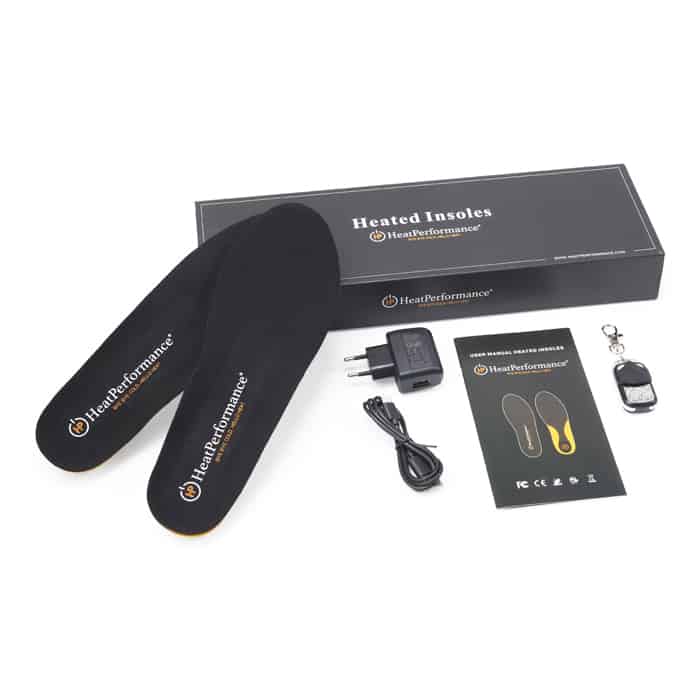
Heated insoles, also known as heated shoe insoles, are useful if you prefer to wear your own socks. You place the insoles in your shoes and receive warmth from underneath your foot. This can be comfortable while walking, working, standing outside or being on the go on cold days.
- For warmth from inside your shoe
- Useful if you want to wear your own socks
- Suitable for shoes and boots with enough space
- Comfortable for outdoor activities or work
When should you pay extra attention to cold feet?
Cold feet are usually harmless. Still, there are situations in which it is wise to look beyond practical solutions alone.
Contact your doctor if your feet suddenly become much colder than usual, if one foot is clearly colder than the other, if you have pain, wounds that heal poorly, toes that turn blue or white, or if you experience numbness or tingling.
If you have diabetes, vascular problems or recurring chilblains, it is also wise to seek medical advice. If you mainly have cold feet because of cold, sitting still or outdoor activities and the symptoms disappear again with warmth and movement, there is often no reason to worry. But it can still be very helpful to keep your feet warmer.
Frequently asked questions about cold feet
Why do I always have cold feet?
Cold feet can be caused by cold, sitting still for a long time, reduced circulation, stress, low blood pressure, hormones or too little muscle activity. Some people are more sensitive to cold than others. If you also have pain, discolouration, numbness or other symptoms in addition to cold feet, it is wise to seek medical advice.
Do thick socks help against cold feet?
Thick socks can help, but not always. Socks mainly retain heat that is already there. If your feet are already cold, ordinary socks often do not actively warm them up. In addition, socks that are too thick in tight shoes can restrict circulation, which can actually make your feet colder.
What is better for cold feet: heated socks or heated insoles?
That depends on your situation. Heated socks provide warmth closer around your foot and toes. Heated insoles provide warmth from underneath your foot and are useful if you want to keep wearing your own socks. For cold toes, heated socks are often the most direct solution. For warmth inside your shoes, heated insoles can be very comfortable.
Why do I get cold feet in bed?
You can get cold feet in bed because your body has already cooled down before you go to sleep. A low room temperature, reduced circulation or little movement in the evening can also play a role. Warm socks, a hot water bottle, a warm foot bath or heated socks on a low setting can help warm your feet more quickly.
Are cold feet dangerous?
Usually, cold feet are not dangerous. They are often the result of cold, sitting still or a normal response of your body trying to retain heat. However, you should pay attention if you have pain, discolouration, numbness, wounds that heal poorly or one foot that is clearly colder than the other. In those cases, it is wise to consult your doctor.
Conclusion: take cold feet seriously, without immediately worrying
Cold feet are often a sign that your body is trying to retain heat. This can be caused by cold, sitting still, reduced muscle activity, hormones, stress or sensitive circulation. Usually it is harmless, but it can certainly be uncomfortable.
Fortunately, there is a lot you can do: dress more warmly, move regularly, wear good socks, avoid tight shoes, warm your feet in time and use direct heat when necessary.
Heated socks and heated insoles are not a miracle solution for every cause, but they are a practical solution for anyone who quickly gets cold feet and wants to feel more comfortable on cold days. If you want to compare different heated products, you can also view our heated products comparison.